“Peacefulness, privacy and connection – combined with land stewardship and regeneration – defines the vision for Rapaki Lifestyle Estate”.
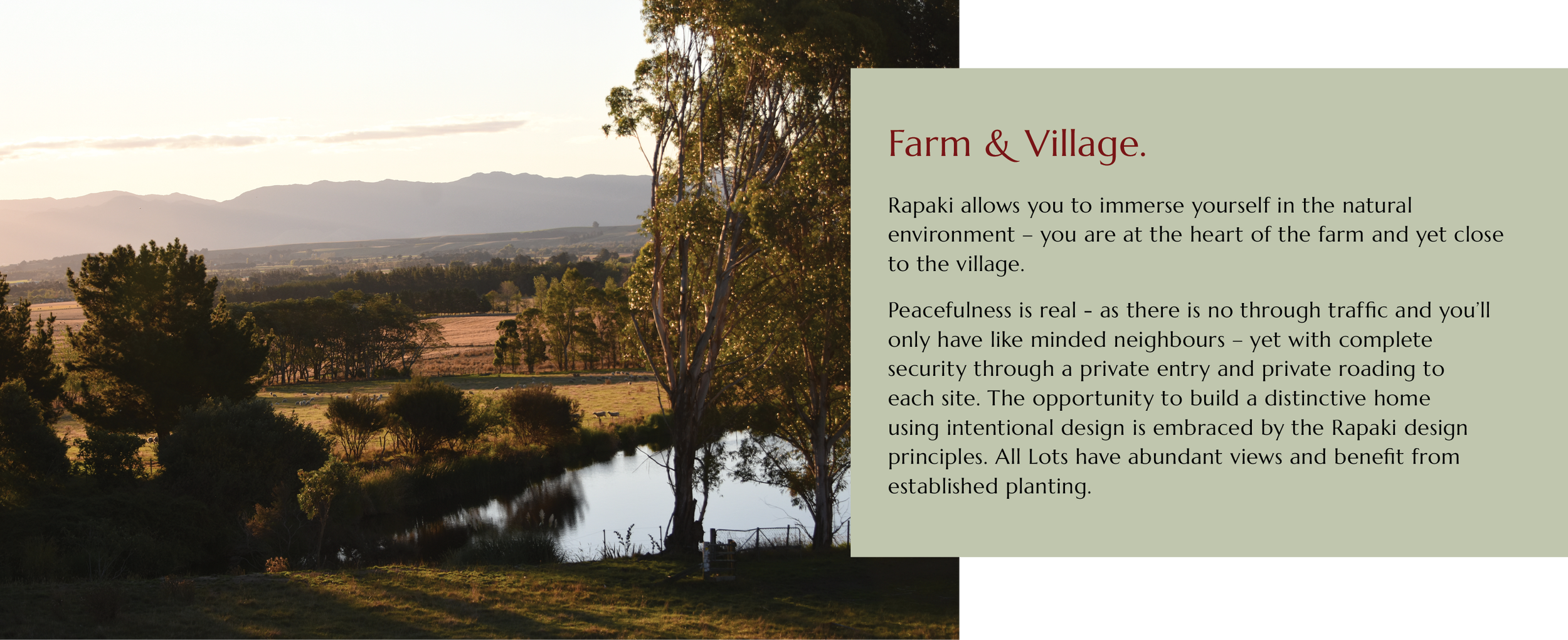
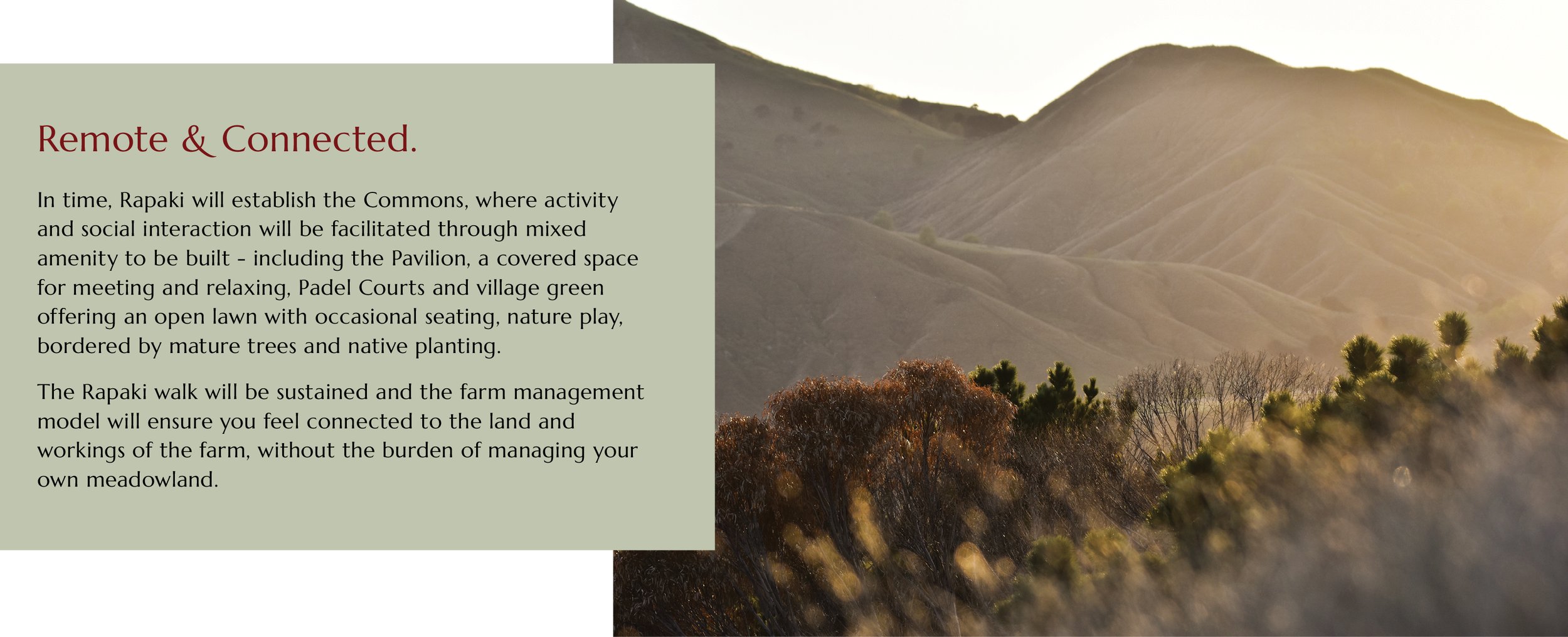
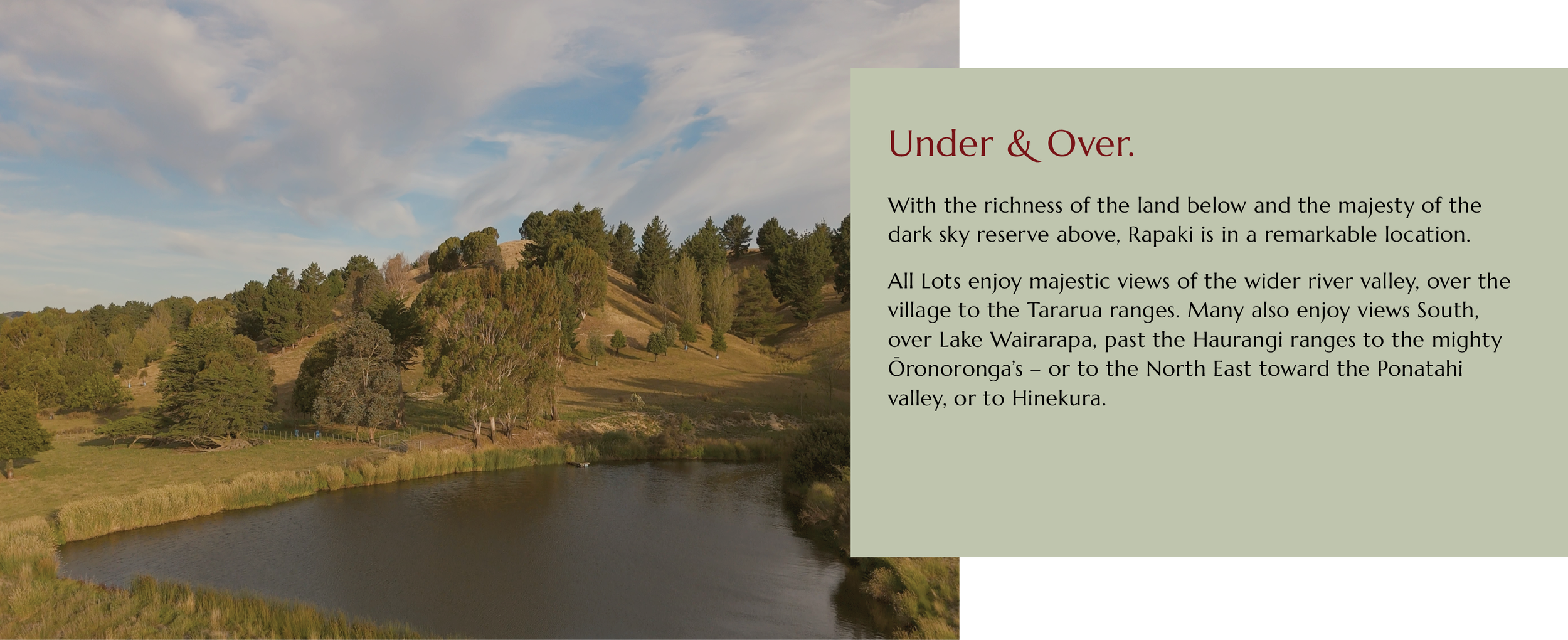
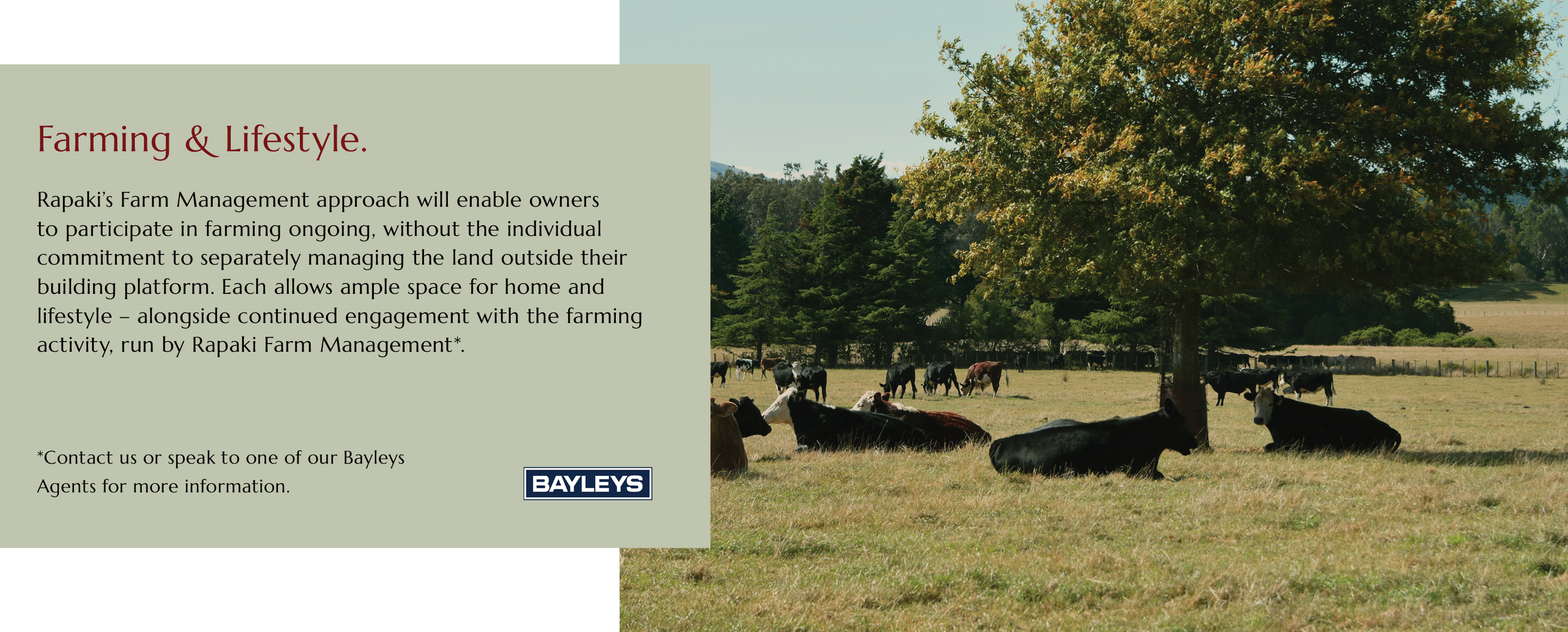
“Rapaki Estate is based on timeless landscapes that have evolved across the ages where land and buildings become one. Materials and forms discretely blend and inform one another. Rural textures and colours interweave creating a unique spirit of place.”.
– Chris Moller – CMA+U
Each lot is Individual.
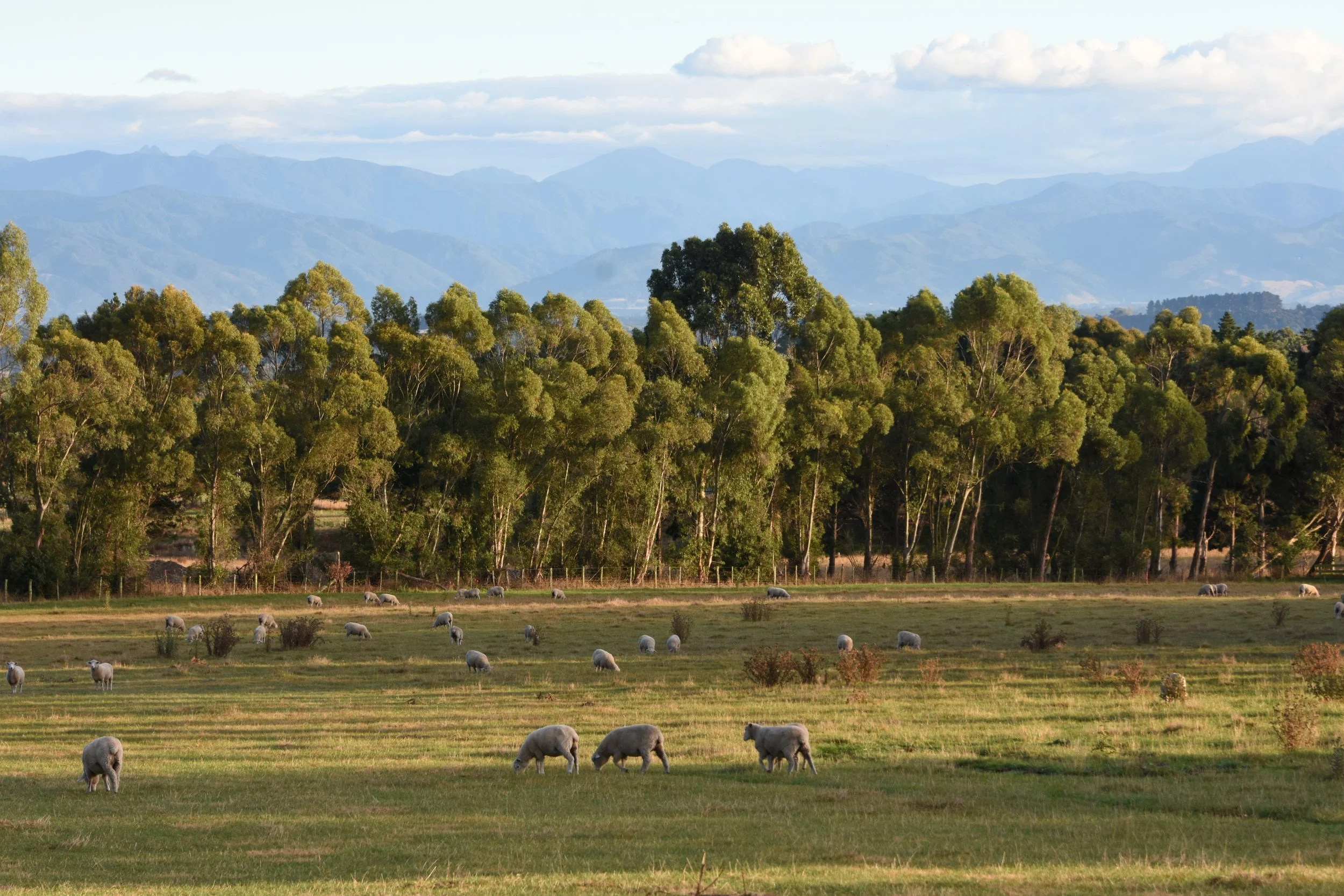
Rapaki offers the chance to create exceptional architecture – Design Guides* created by Chris Moller Architecture & Urbanism (CMA+U) and Wraight & Associates, will ensure a positive, natural, yet minimum impact on the relaxed character of the existing rural landscape.
*Design Guides | Each lot has been planned to maximise outlook, sunlight, privacy, and space, giving owners a generous and flexible platform to realise a home of their own vision. The design guidelines are not about limitation, but about ensuring that every home contributes to a cohesive and high-quality environment, protecting long-term value for all.
Homes are encouraged to use simple, refined forms and natural, locally resonant materials, allowing light, shade, and landscape to play a central role in the architecture. Subtle elements such as planting, landforms and sheltered outdoor spaces are used to create privacy and comfort, ensuring a sense of retreat while maintaining a connection to the wider landscape.
The result is a considered rural environment where individuality is celebrated, privacy is preserved, and each home enhances both its own setting and the estate as a whole.
Contact us for more information on Individual Lots and the Rapaki Design Guides.
Form & Space.
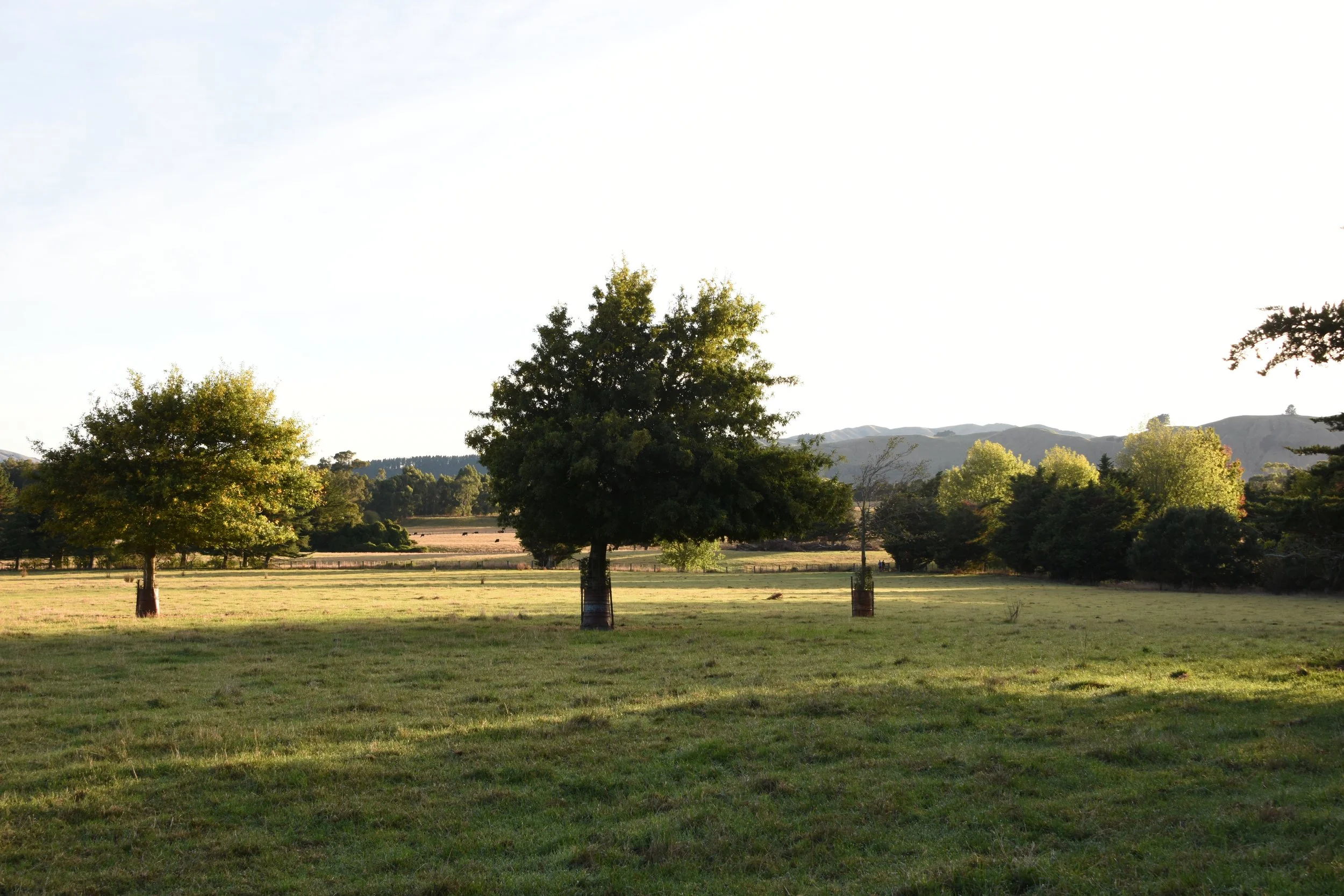
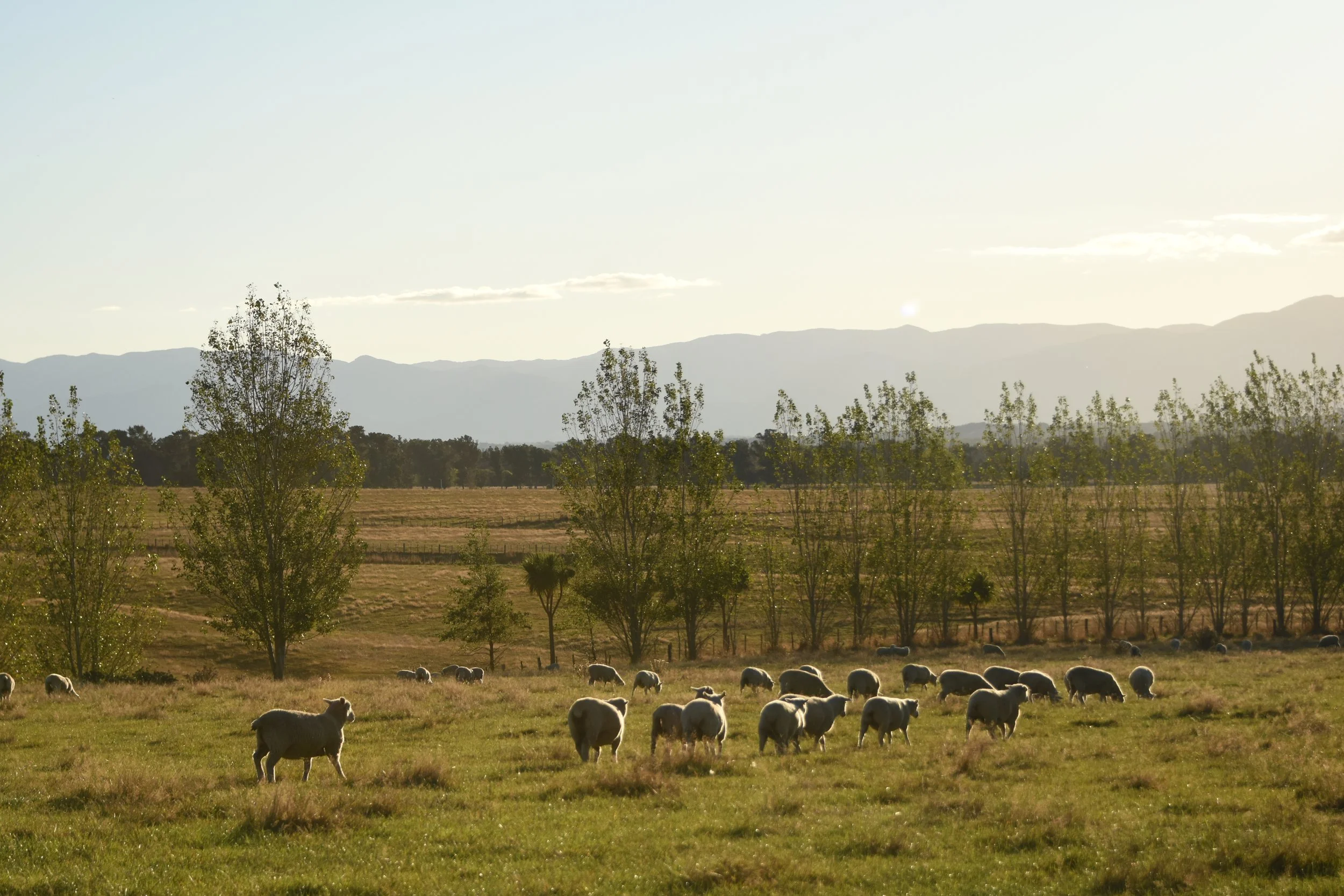
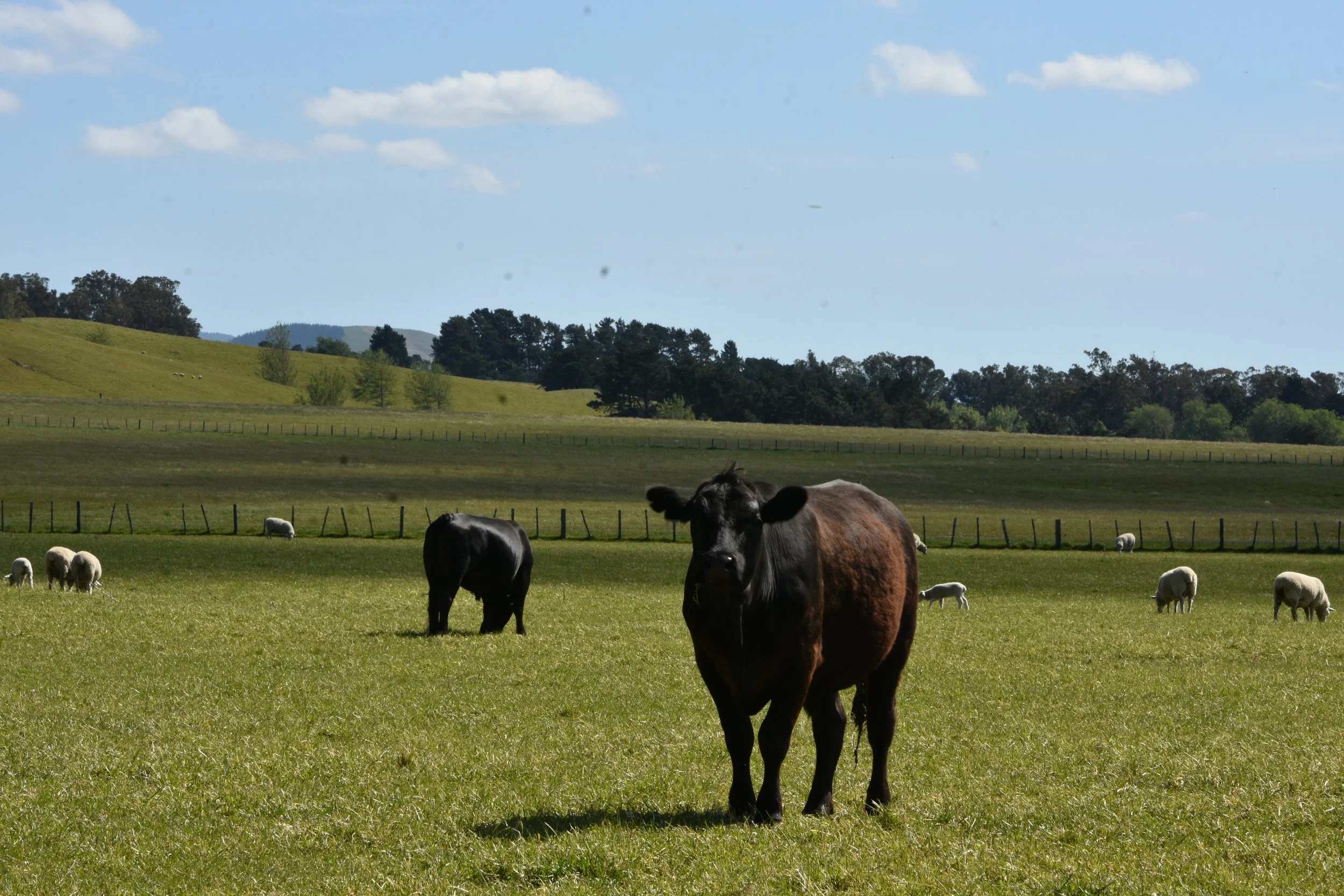
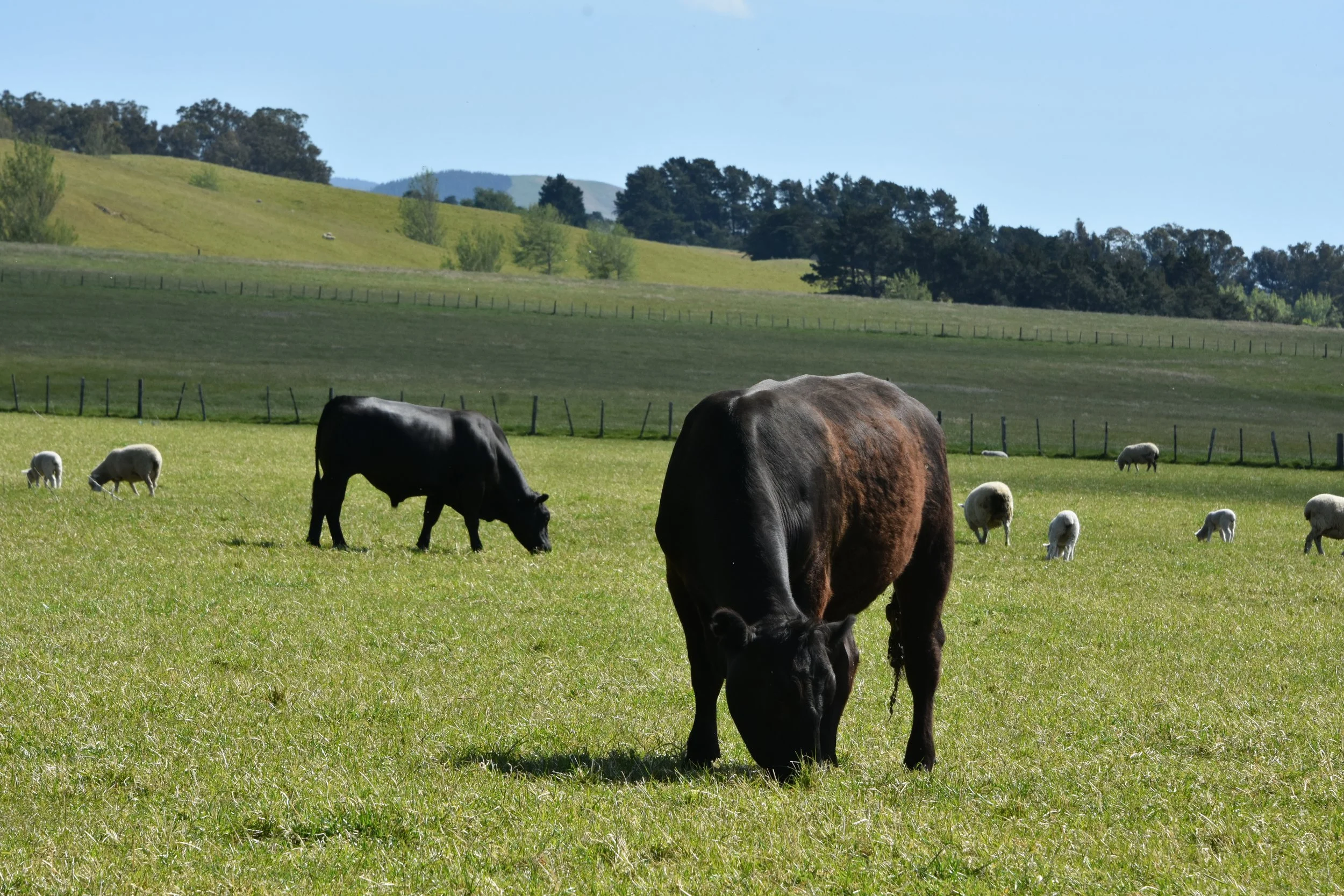
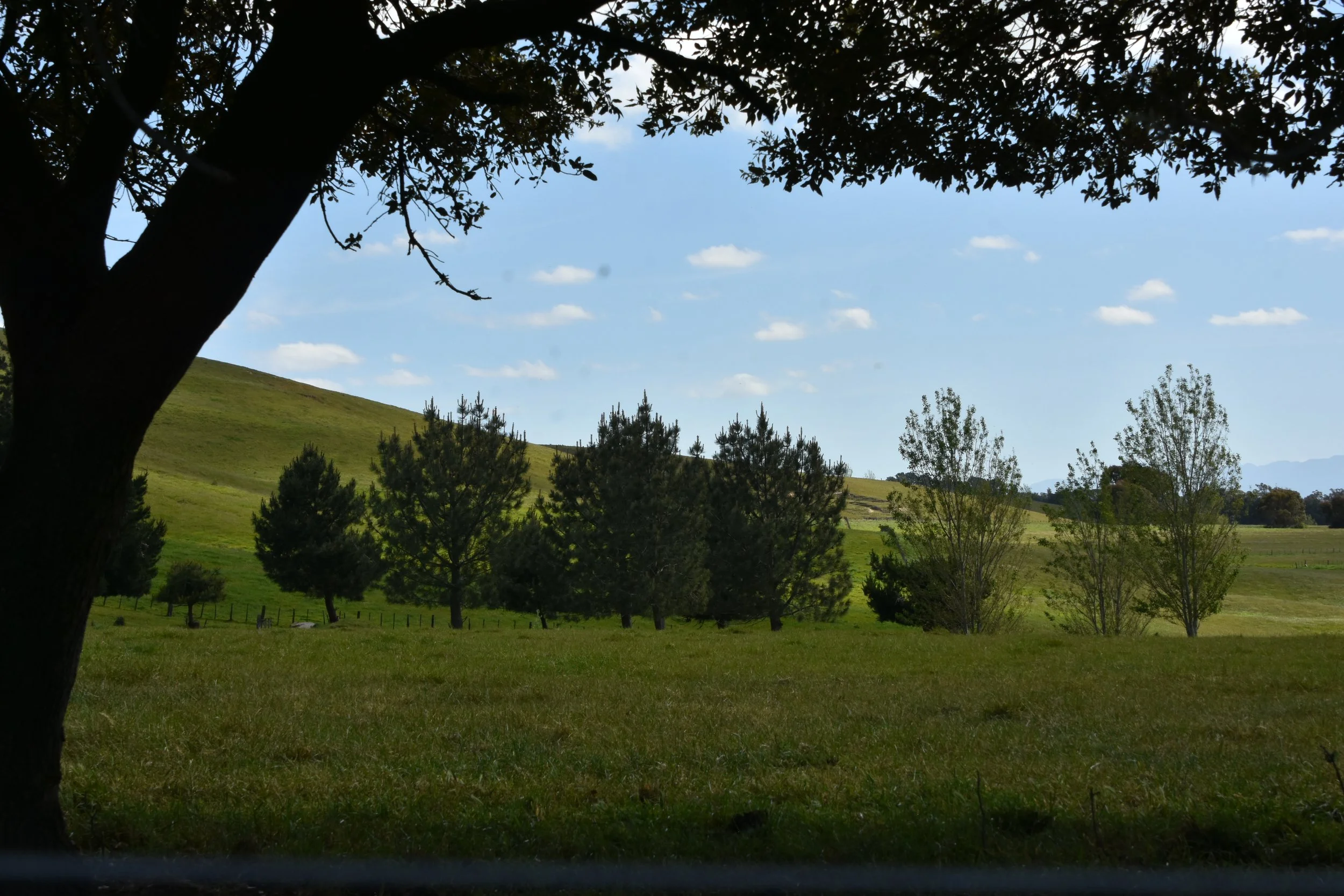
Rapaki is a canvas of large semi-rural lifestyle Lots offering the chance to create exceptional architecture within the carefully considered building platforms. Design guides created by Chris Moller Architecture & Urbanism and Wraight & Associates will ensure a positive addition to the relaxed character of the existing rural landscape.
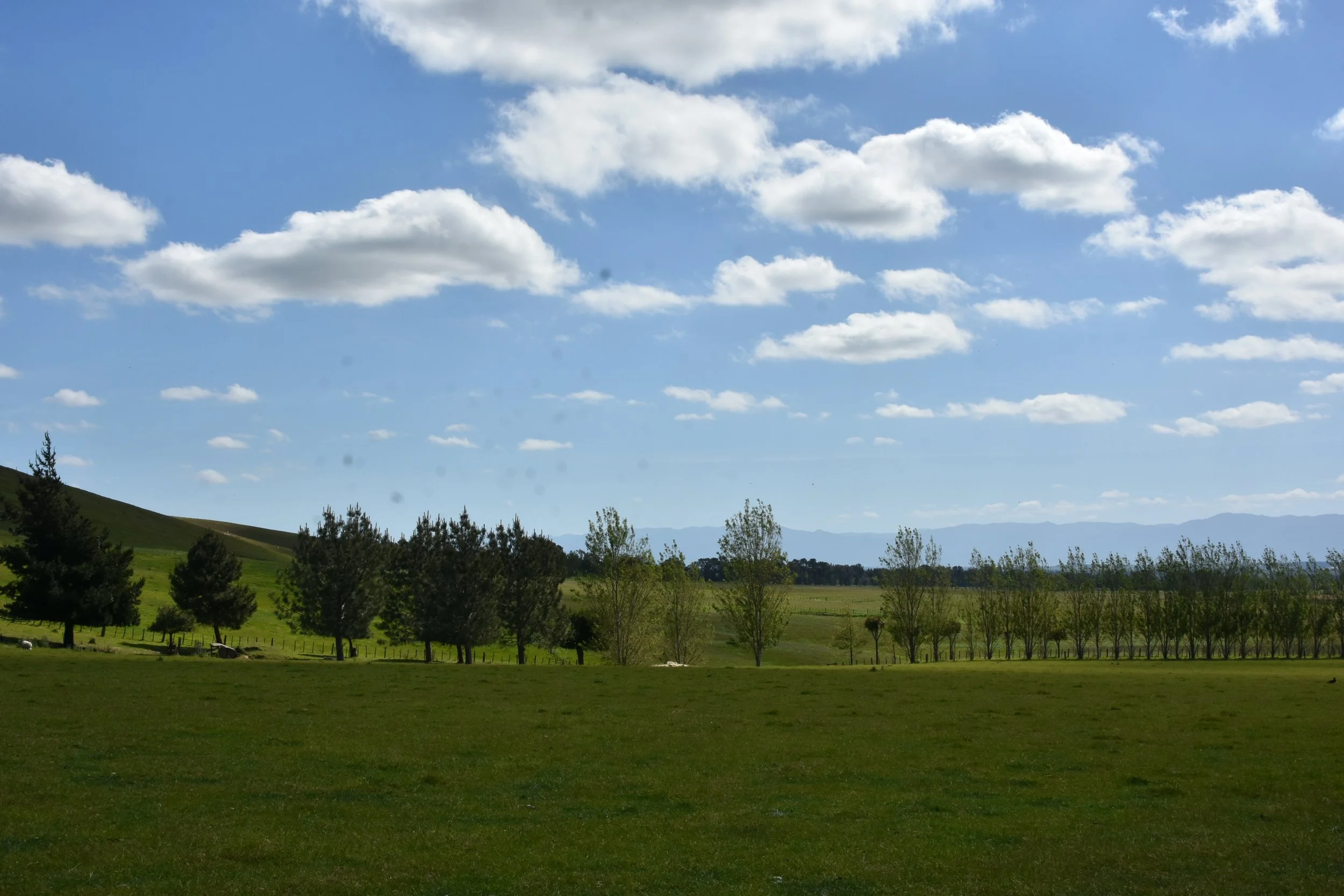
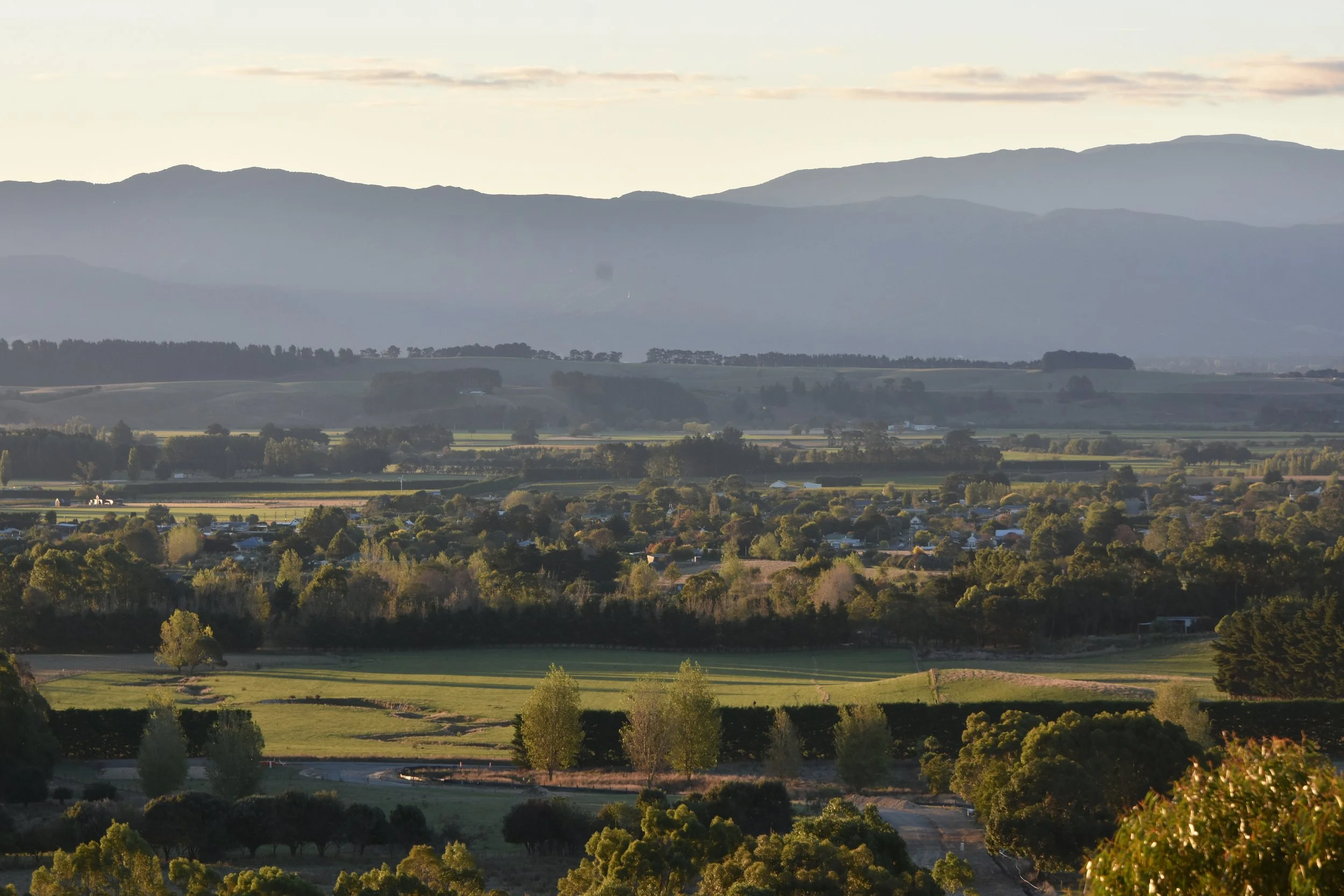
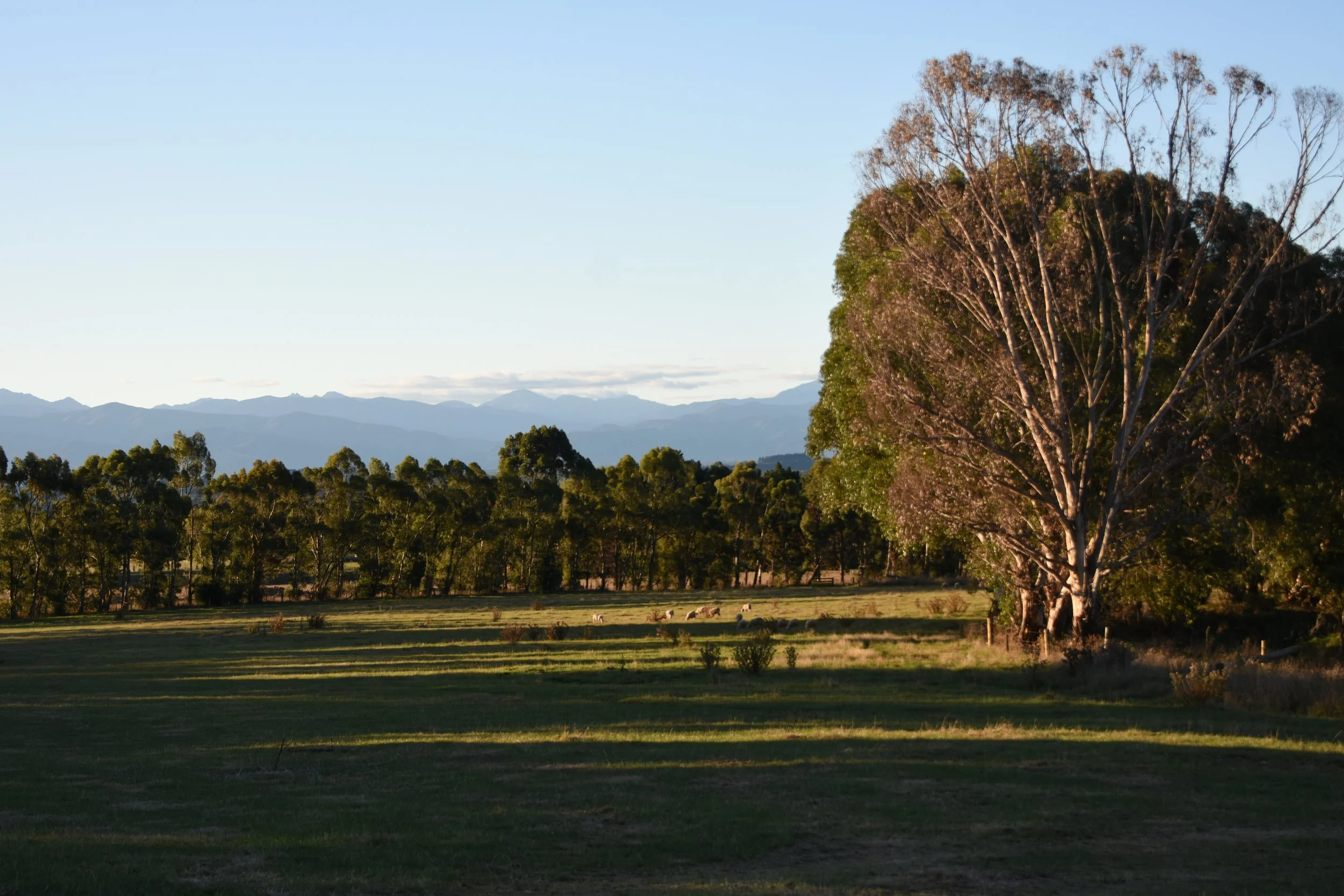
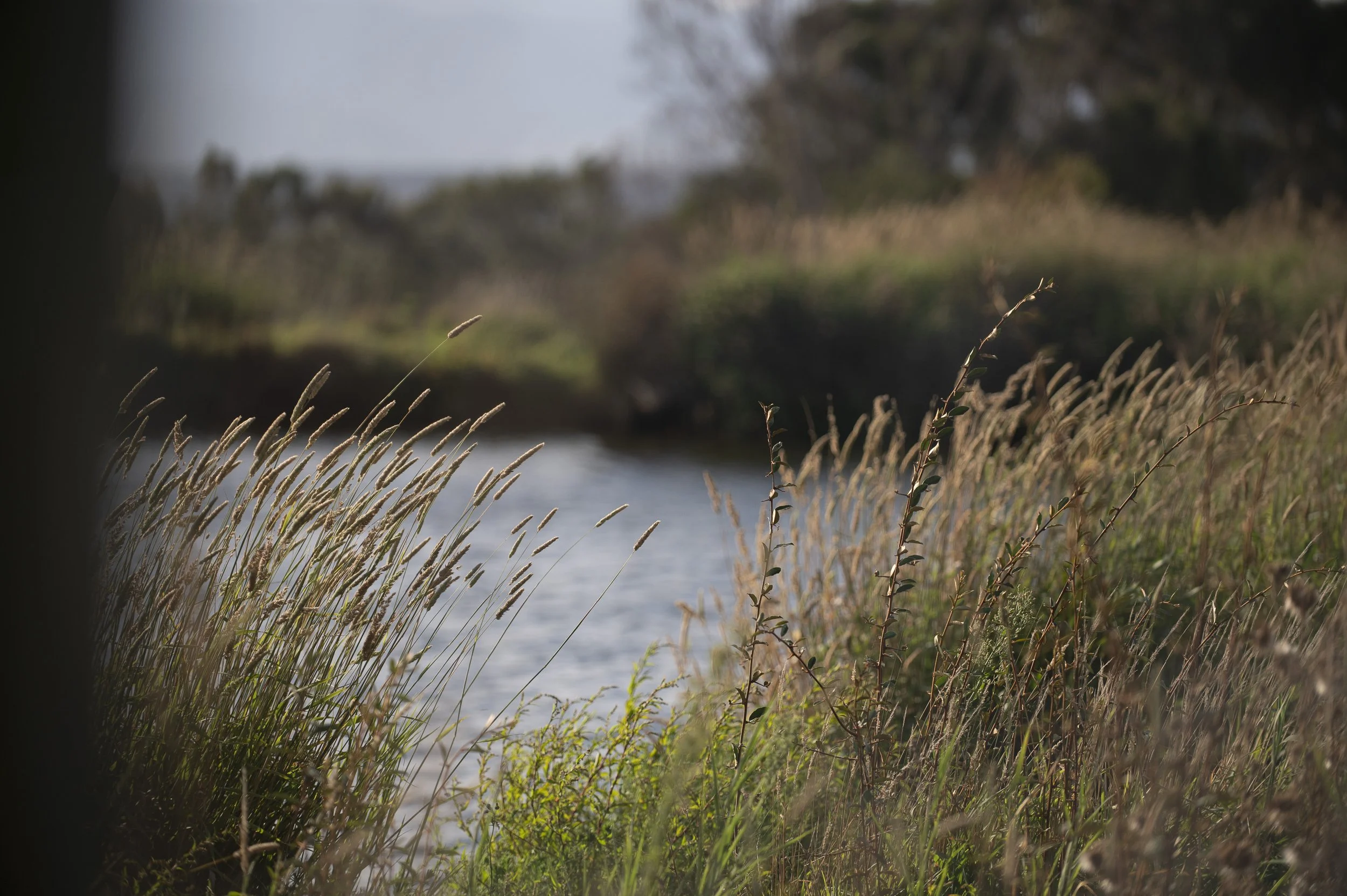
The Wairarapa is a large open valley. The main rivers that feed the valley adjacent to Martinborough are are the south-flowing Ruamāhanga, Waingawa, Waiohine and Tauherenīkau rivers – which all drain into Lake Wairarapa or Lake Ōnoke, on the edge of Palliser Bay.
Staying grounded.
Sustainability & Rewilding.
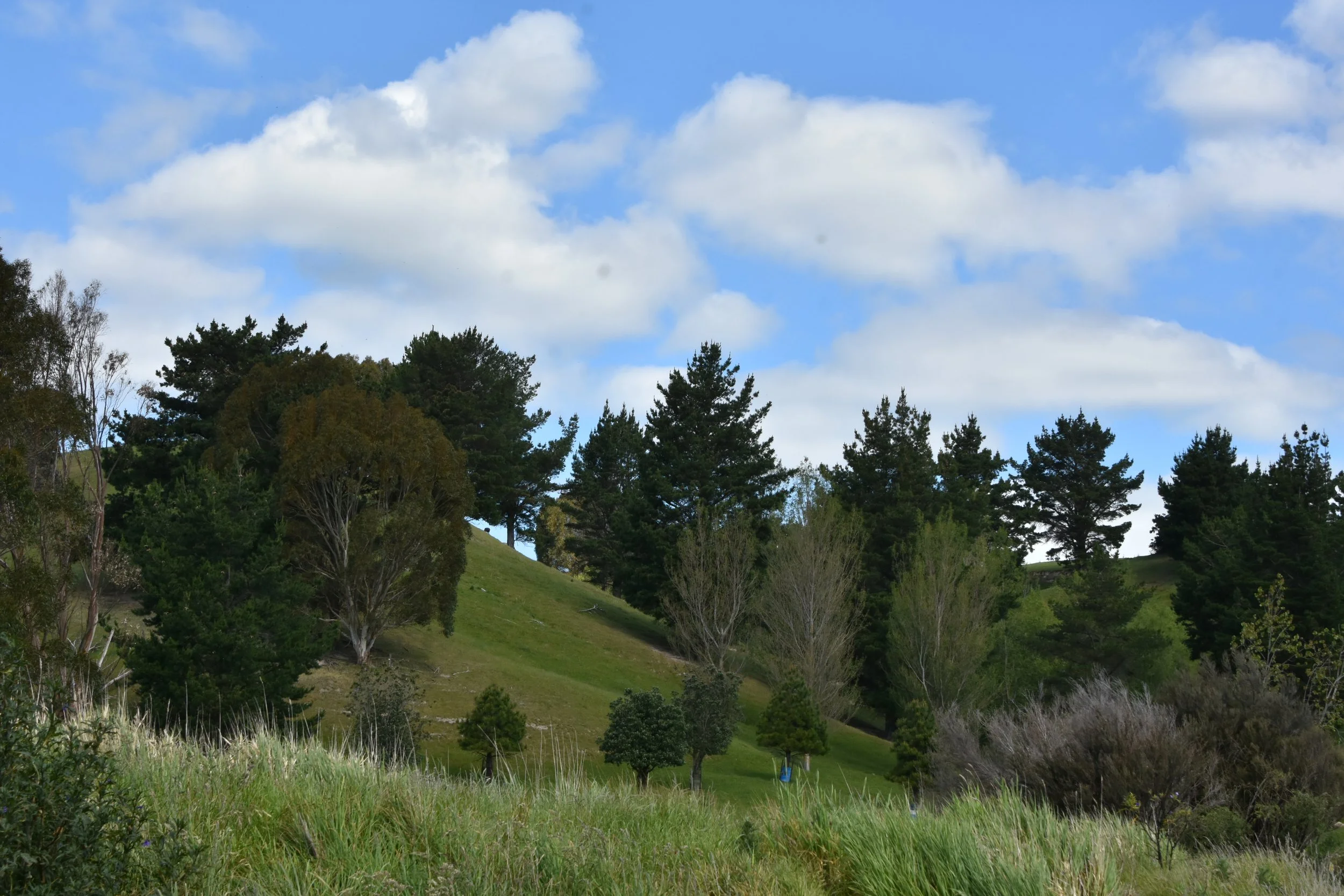
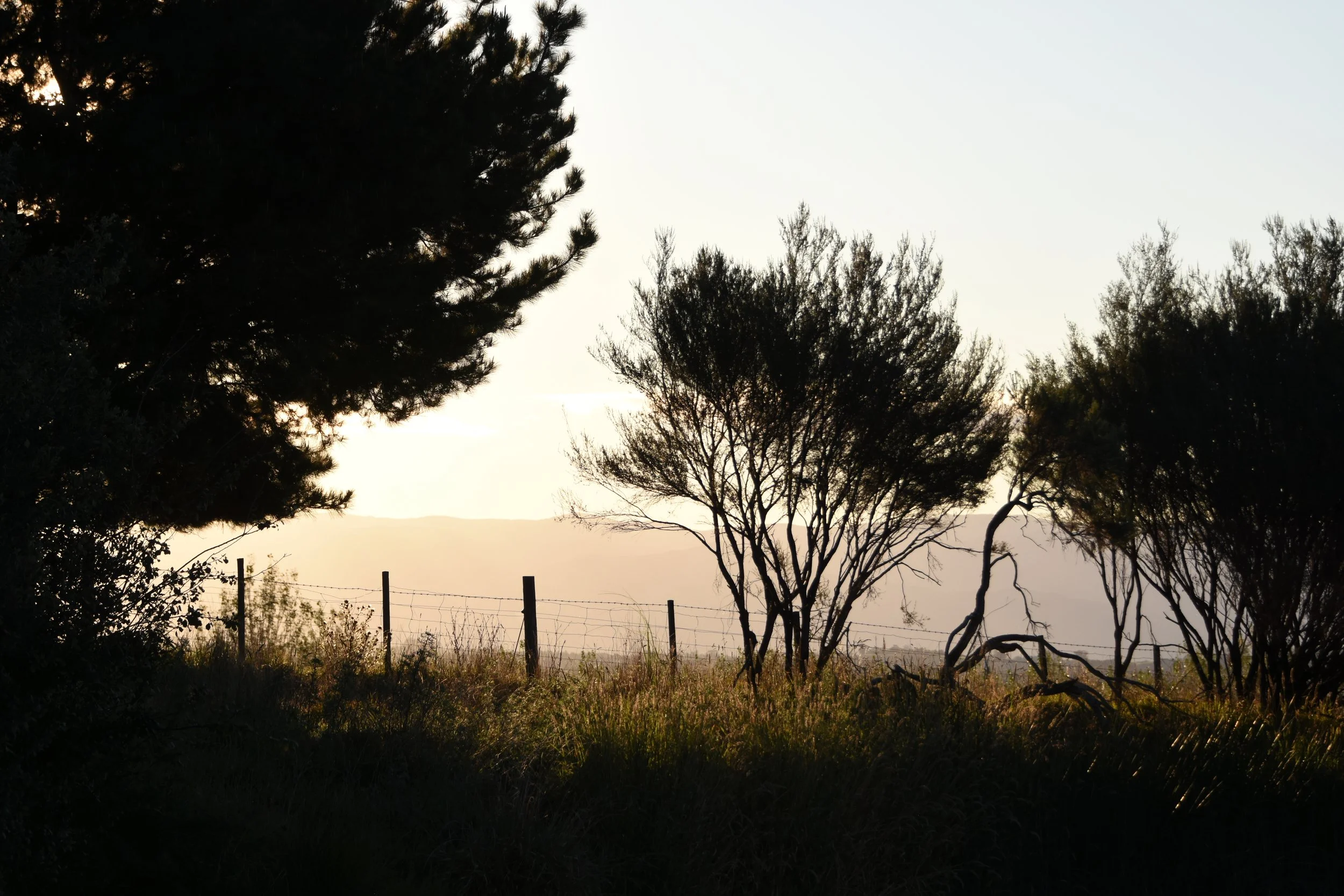
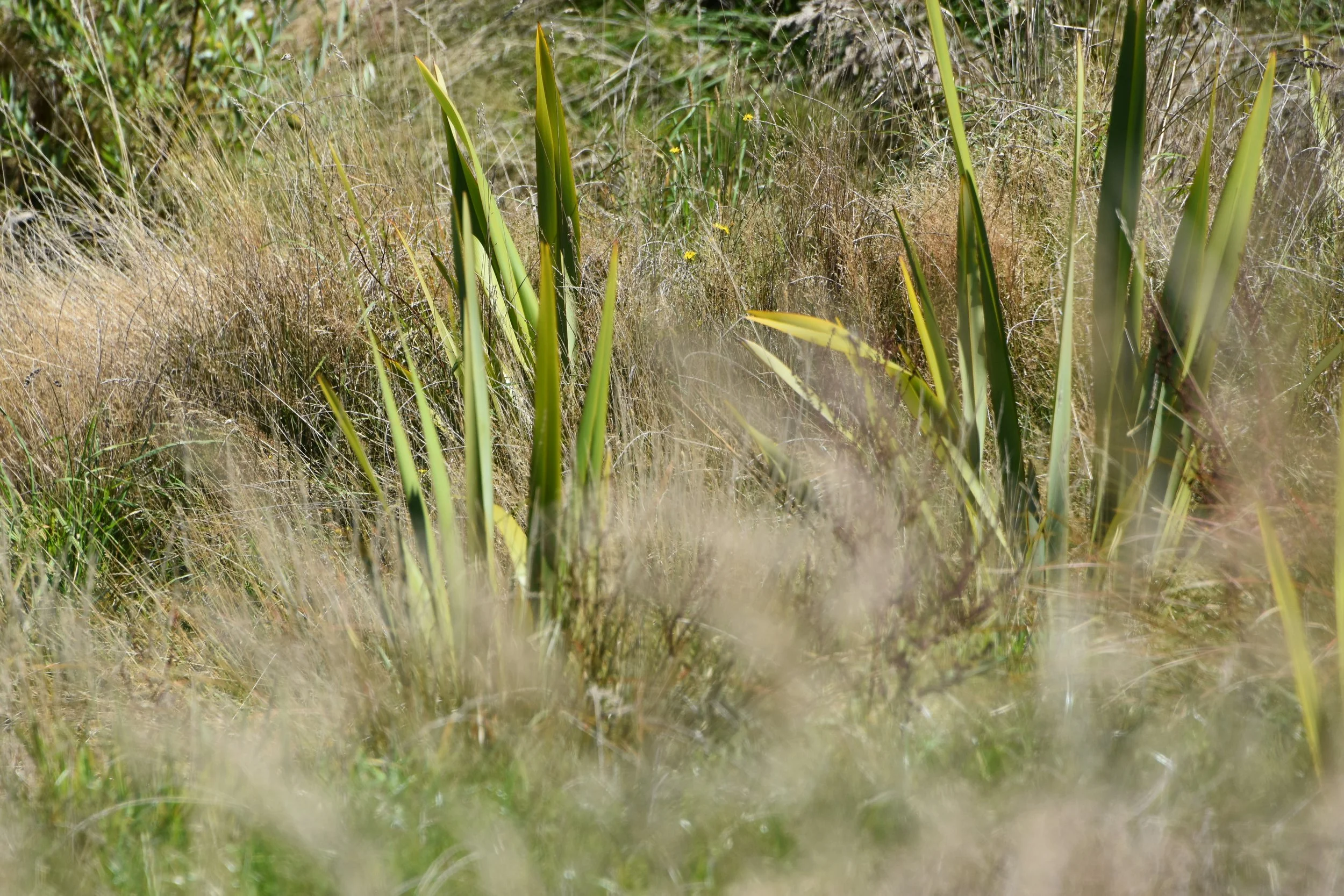
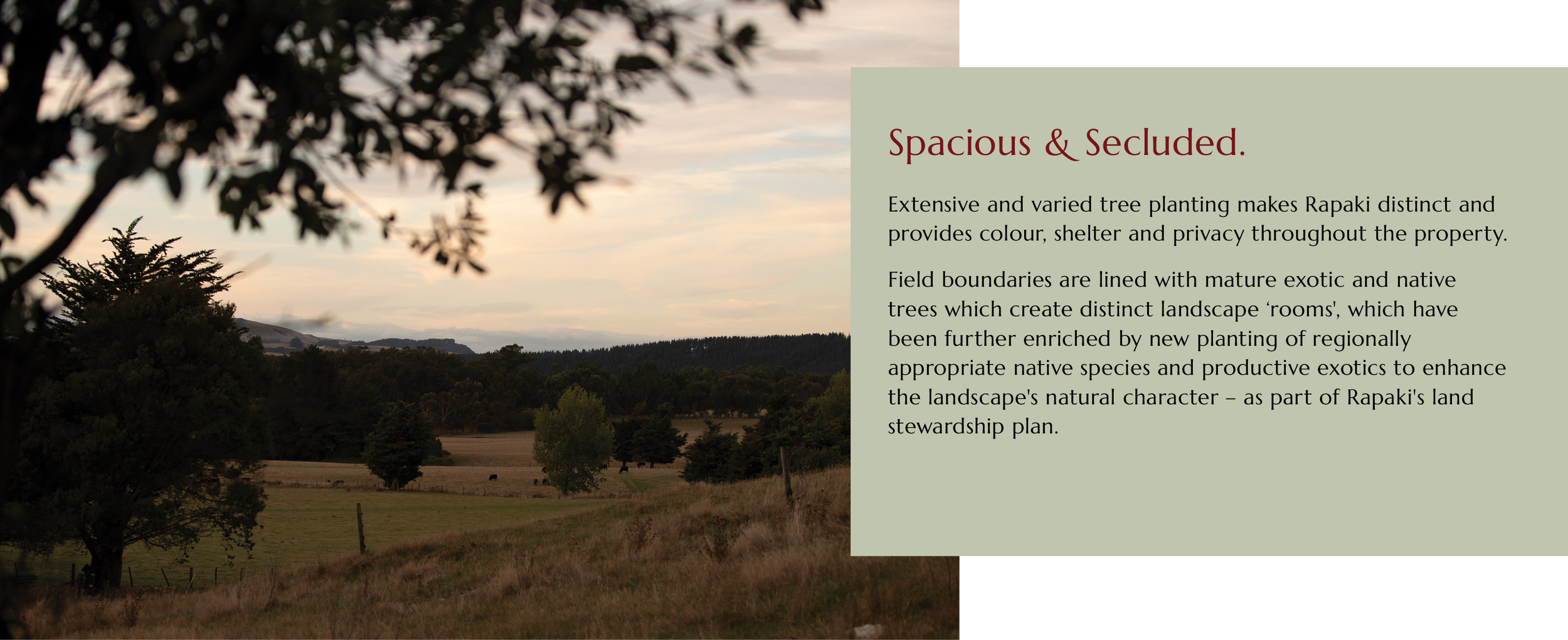
Rapaki’s established mature exotic and native trees have been further enriched by new planting of regionally appropriate native species to enhance the landscape's natural character.
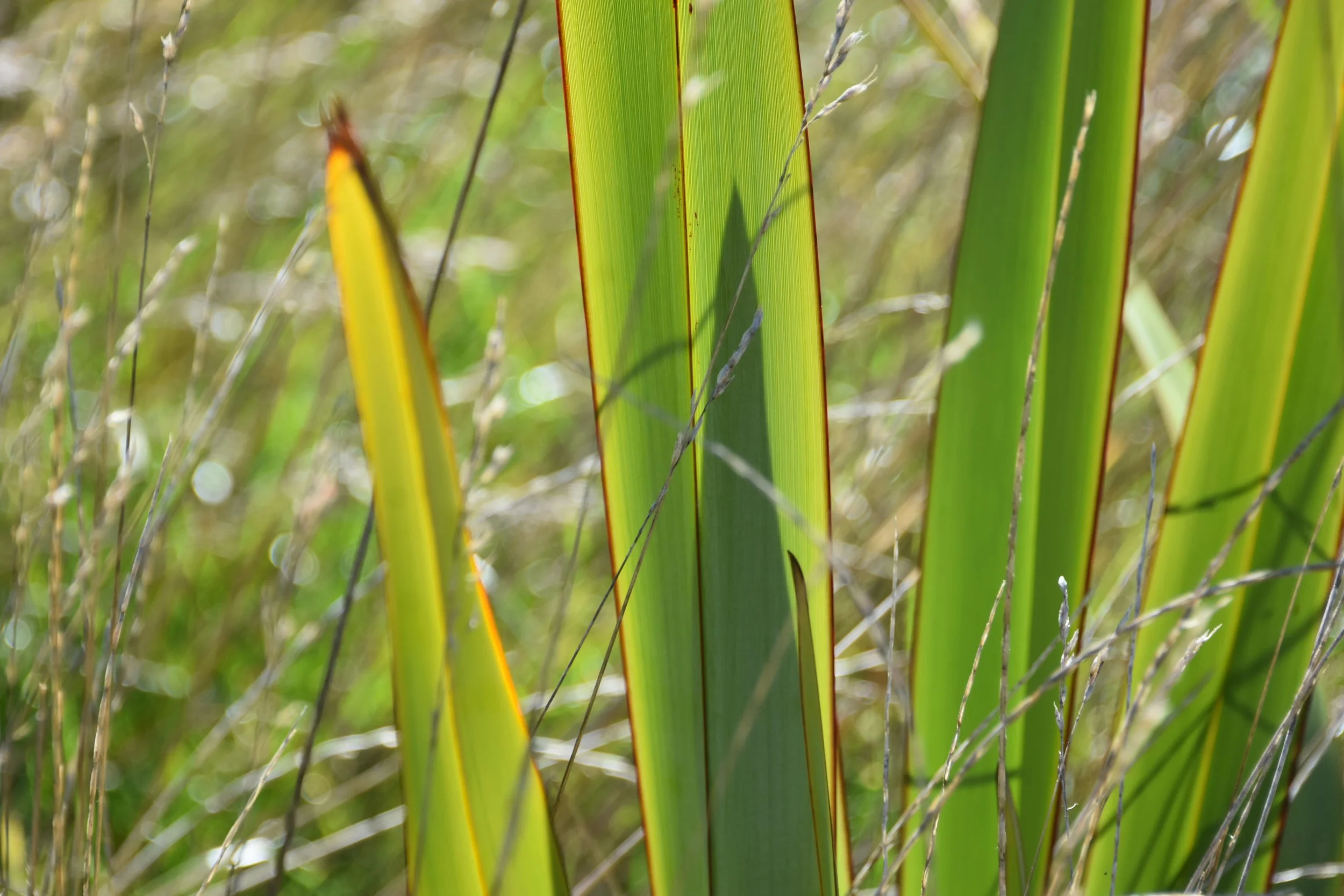
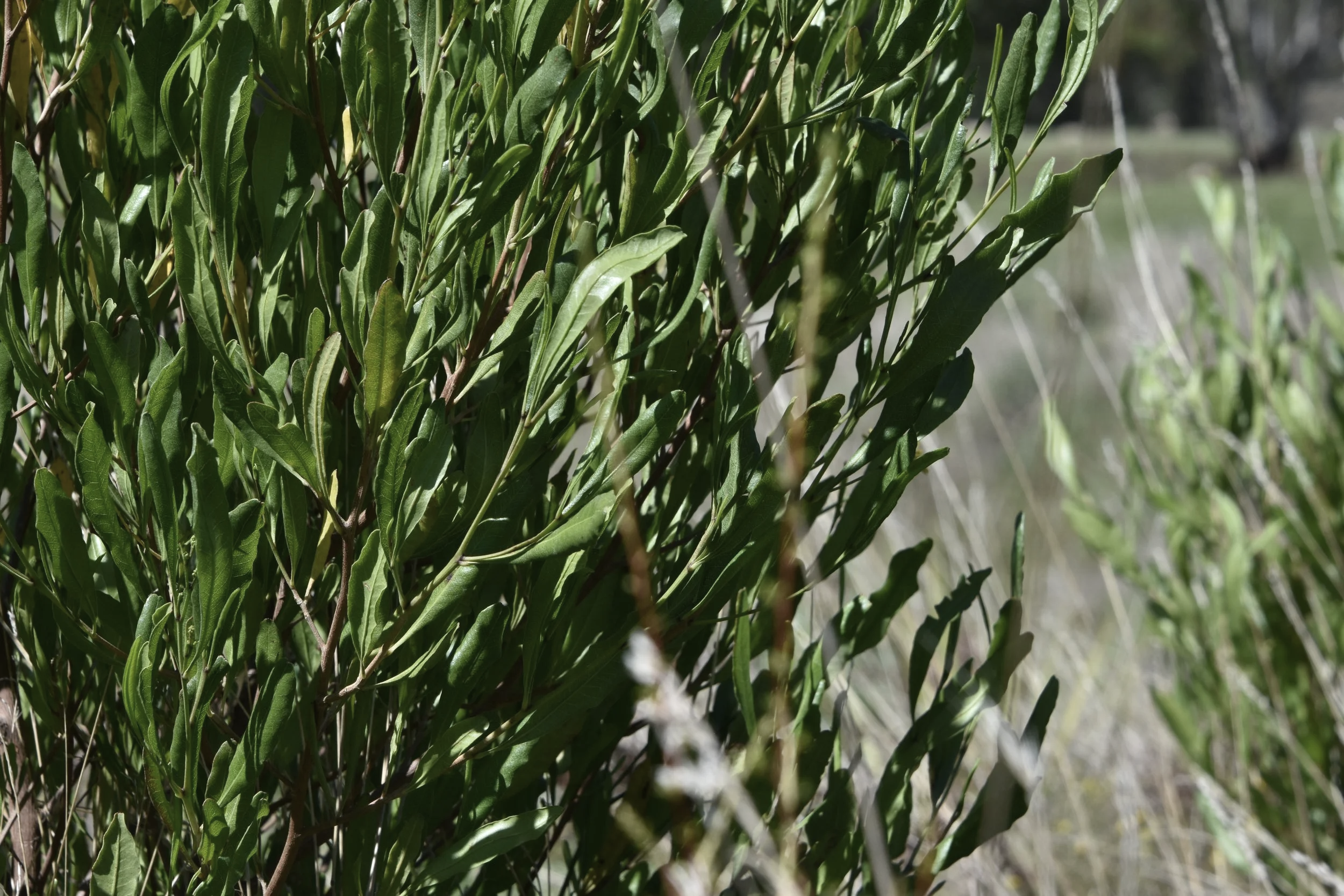
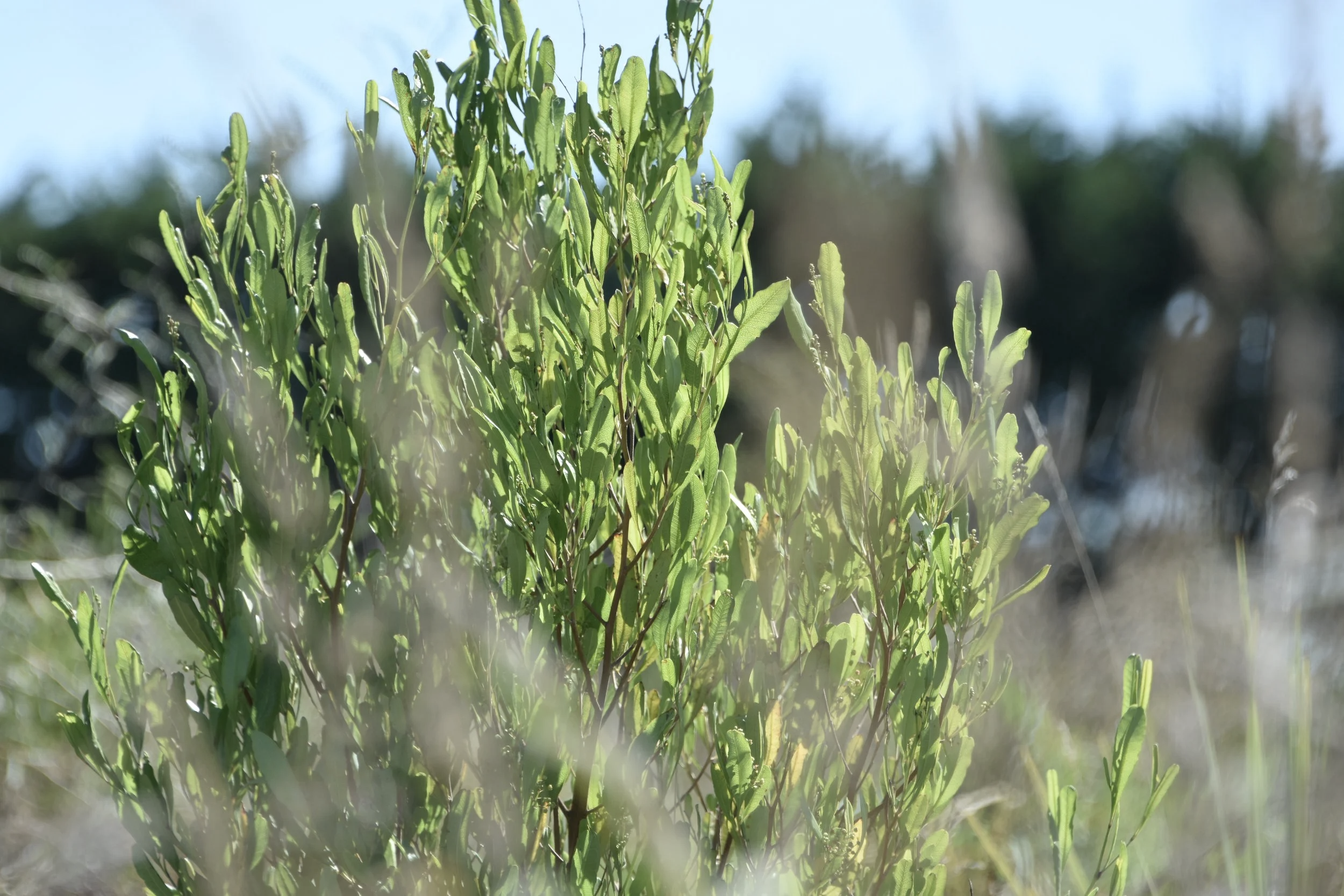
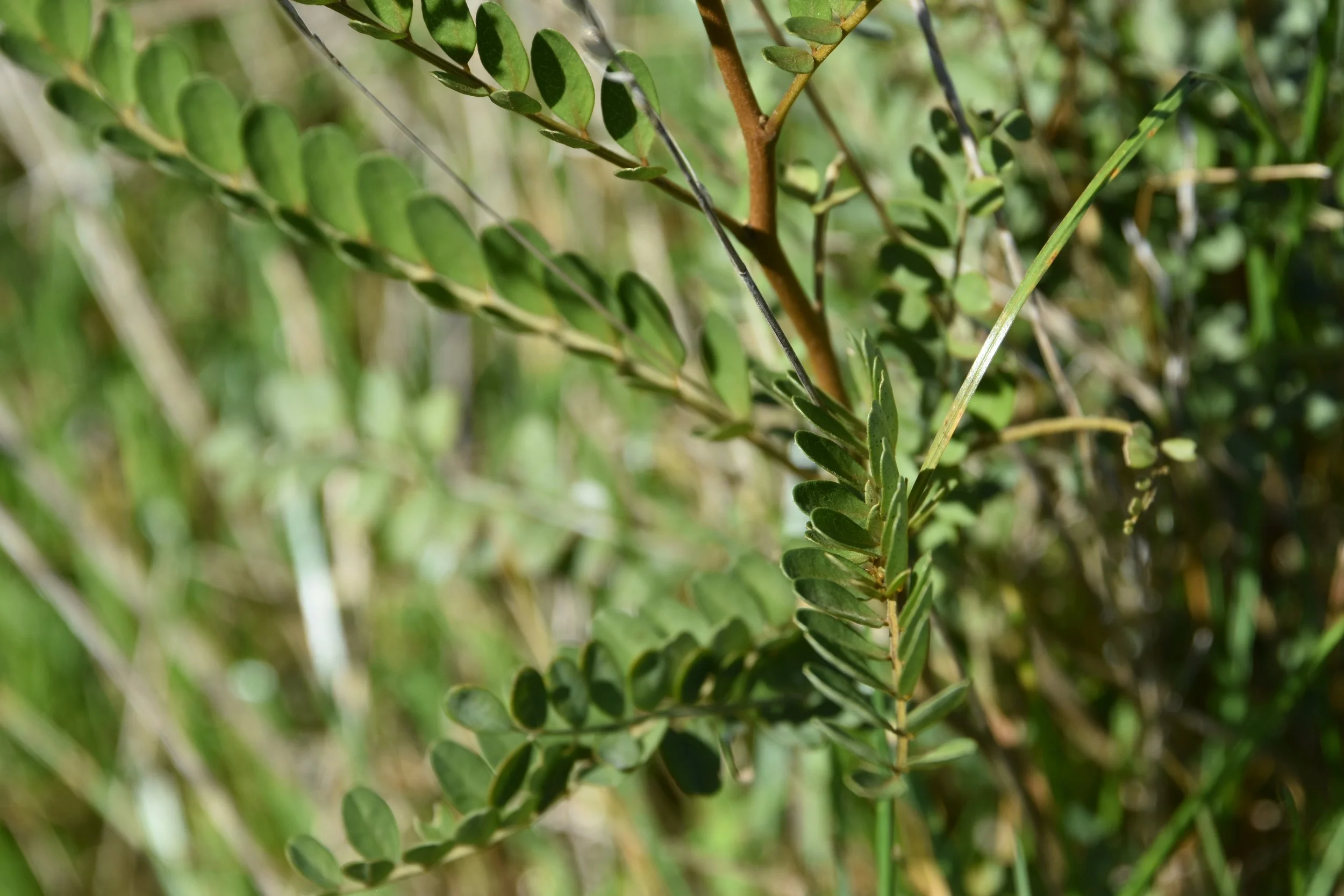
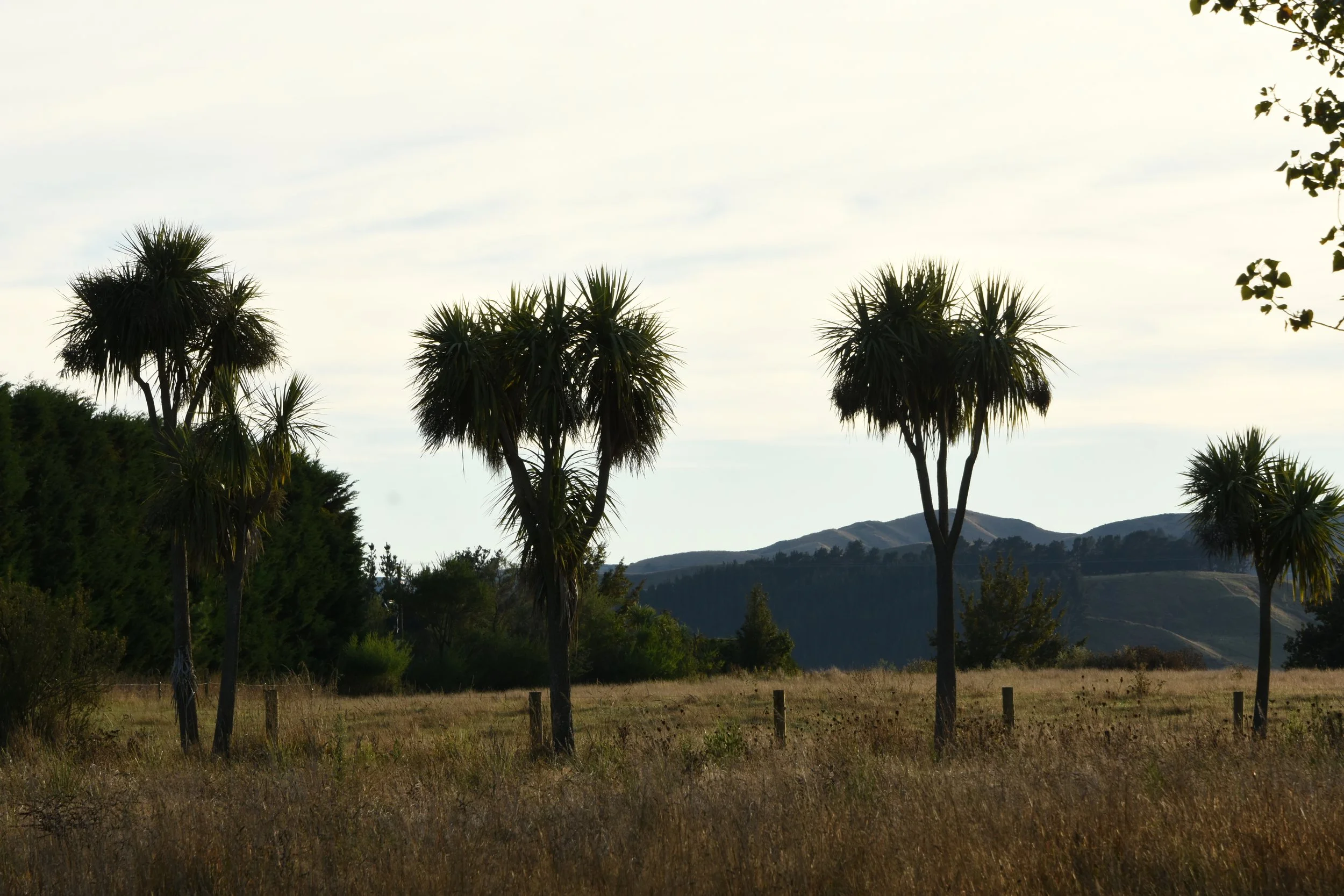
Over the last few years new native planting has been taking place along Rapaki’s traditional riparian strips. To date, over 14,000 new plants have been established. Plant species include tī Kōuka / Cabbage tree (Cordyline australis); Harakeke / New Zealand native flax and swamp flax (Phormium tenax); Kanuka (Kunzea ericoides); Ngaio (Myoporum laetum); Kōwhai (Sophora); Tōtara (Podocarpus totara); as well as Karamu (Coprosma) and a number of Corokia varieties
Unique & Unencumbered
Hundreds of years in the making.
Before humans arrived, the Wairarapa was largely covered in conifer broadleaf and beech forest – it is believed Maori came and settled during the 1300s.
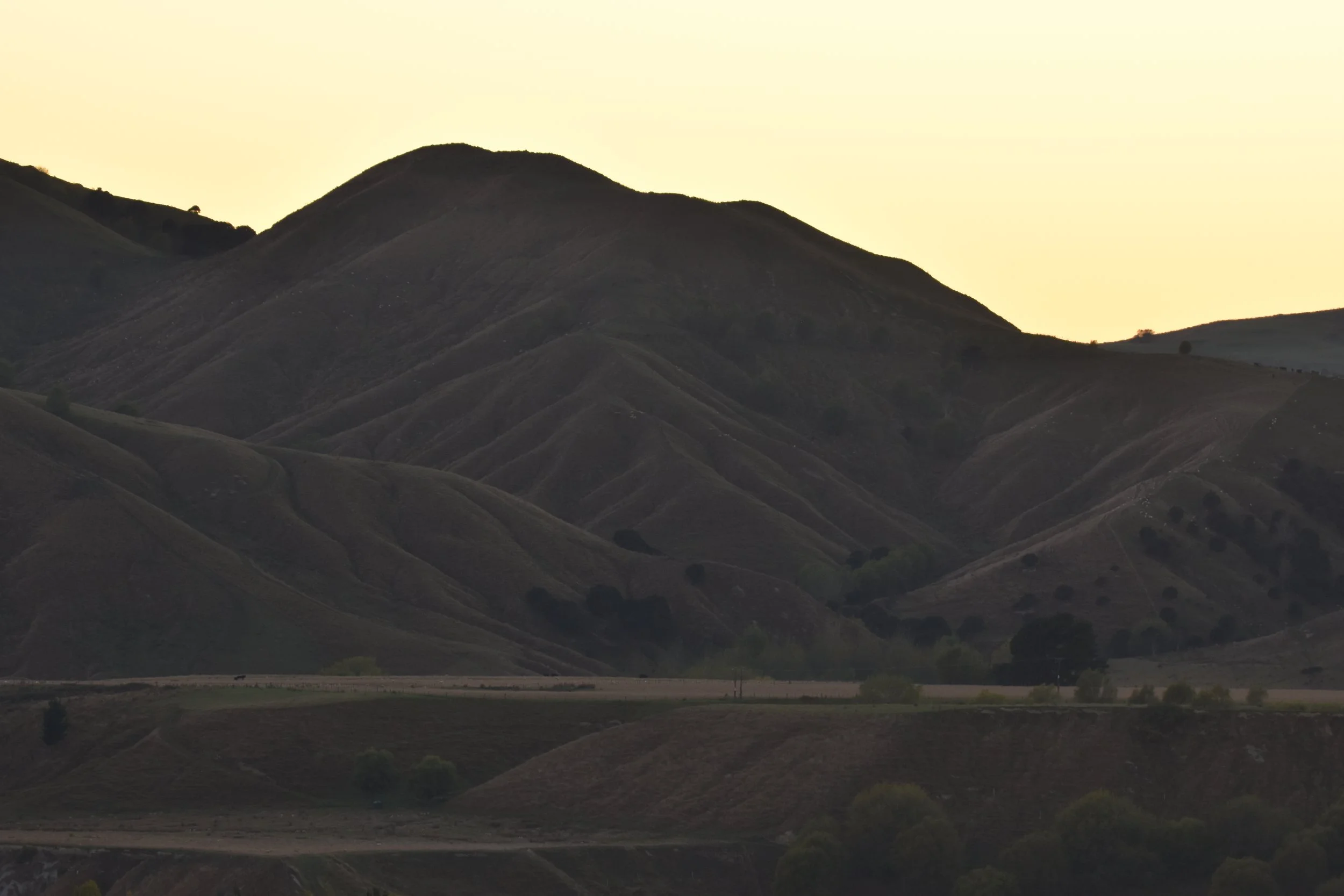
By the time Europeans came, burnoff by Māori and natural fires had left large areas of grass, fern and scrubland in the south and east. The Tararua Range and the north were still heavily forested. As farming began, most of the lowlands and eastern uplands were cleared of native grasses and resown in exotic varieties, or given over to horticulture.
Established and growing.
The Rapaki Walk.
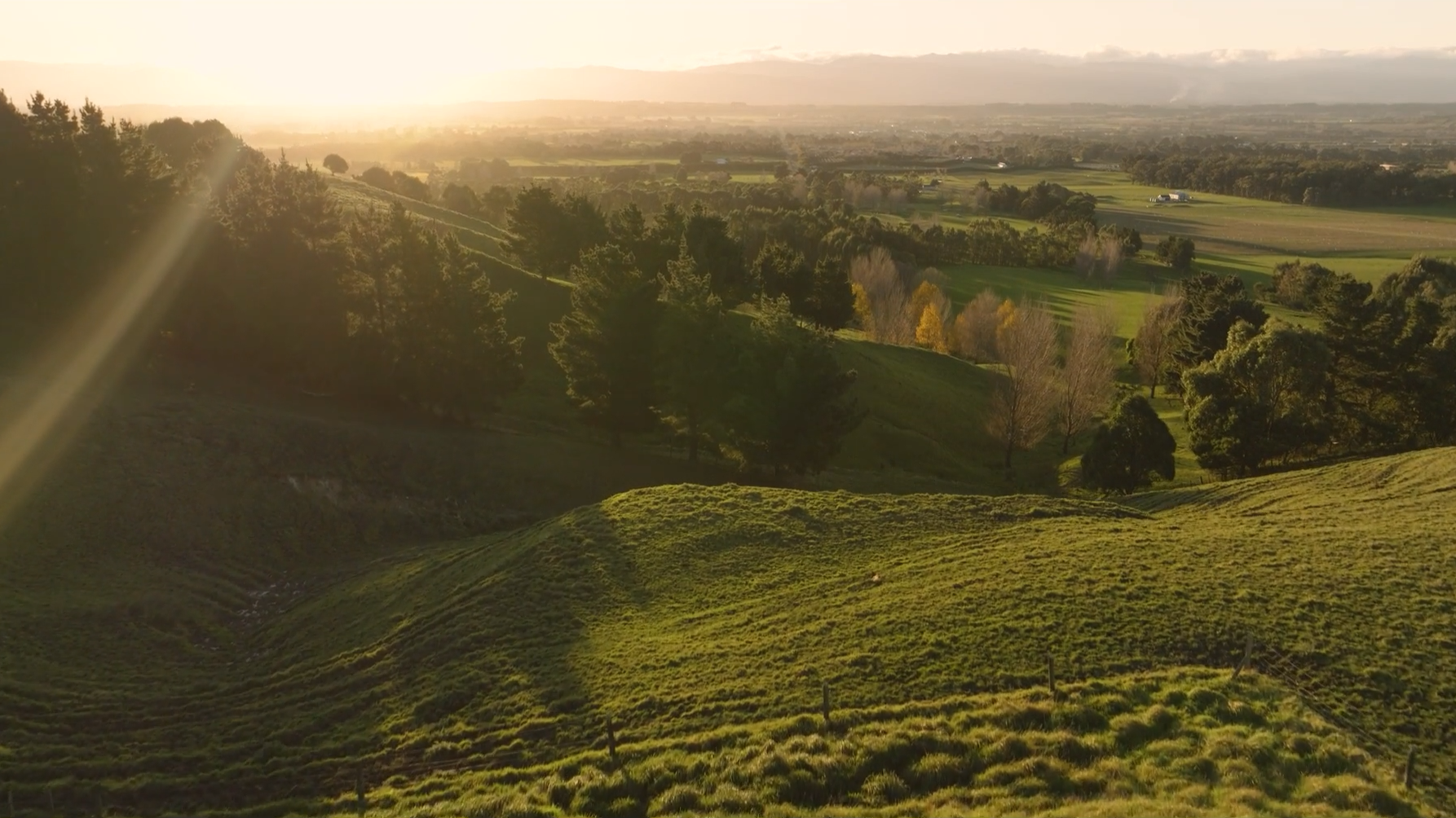
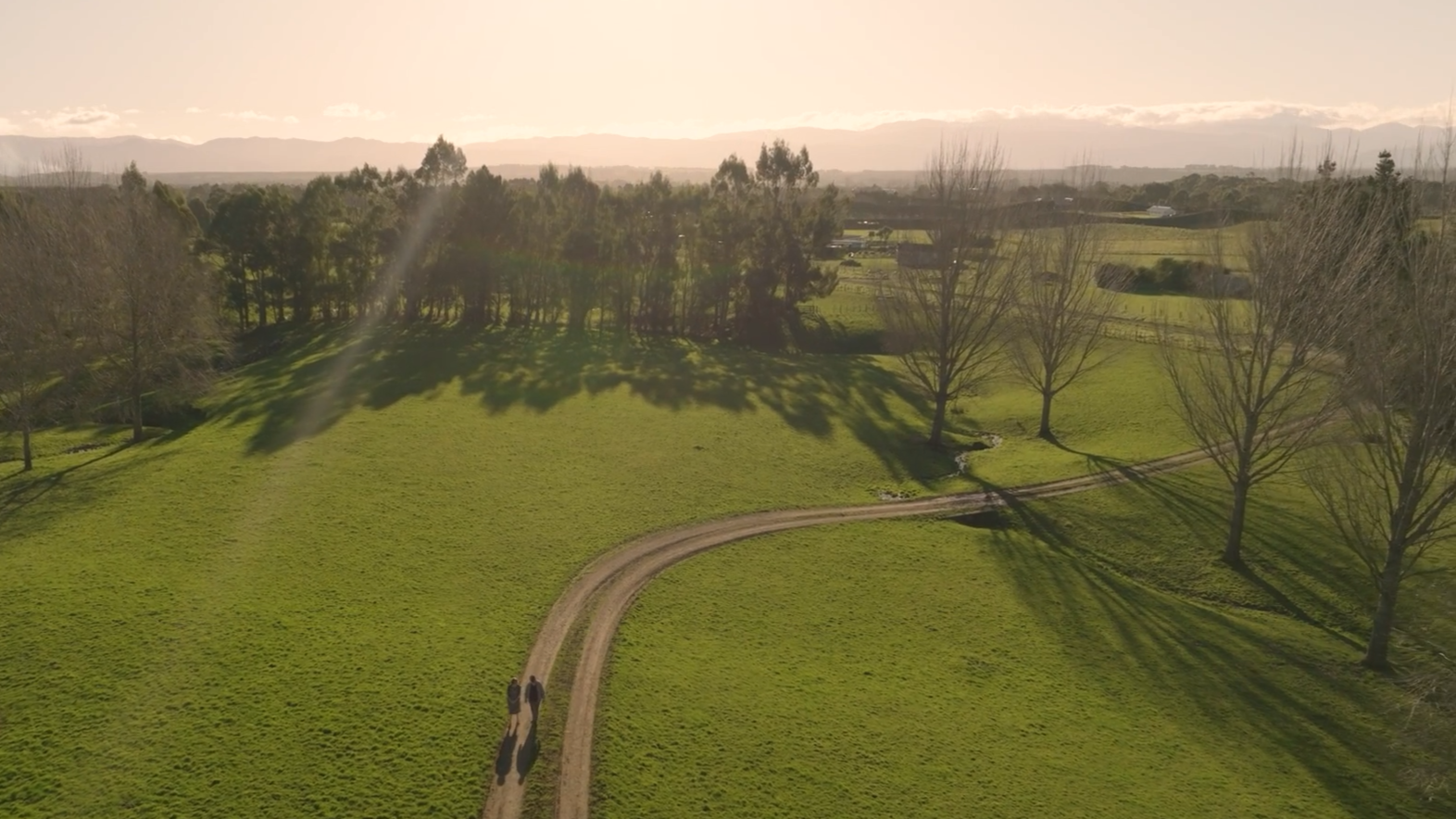
This is an iconic and much loved loop walk, across farmland and hills with spectacular views of the Wairarapa valley, Martinborough village and vineyards. Near the highest point, a stile takes walkers to a viewpoint looking over the scenic Te Muna Valley.